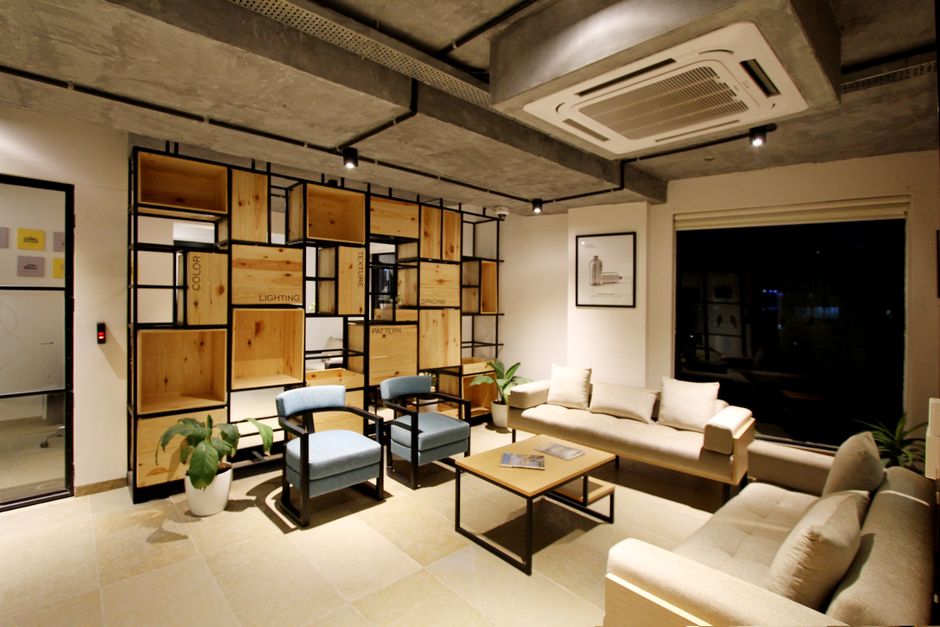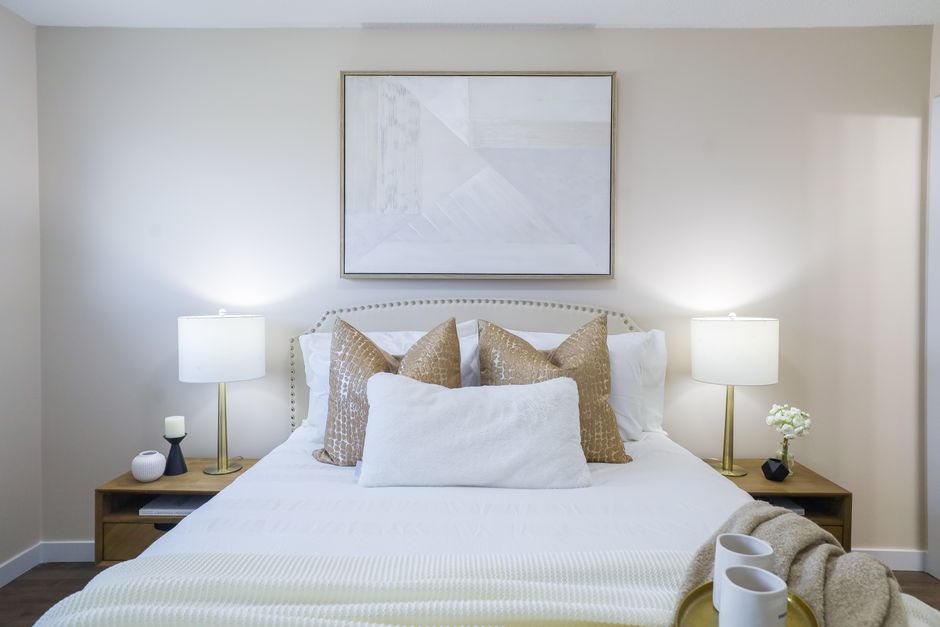










Home improvement is not just about aesthetics; it significantly enhances the functionality and value of your living space. Whether you’re a seasoned DIY enthusiast or a novice looking to upgrade your home, this guide will provide you with essential tips and strategies to transform your space into a haven of comfort and style. With thoughtful planning and execution, your home can reflect your personal taste while meeting practical needs.
Understanding Your Space
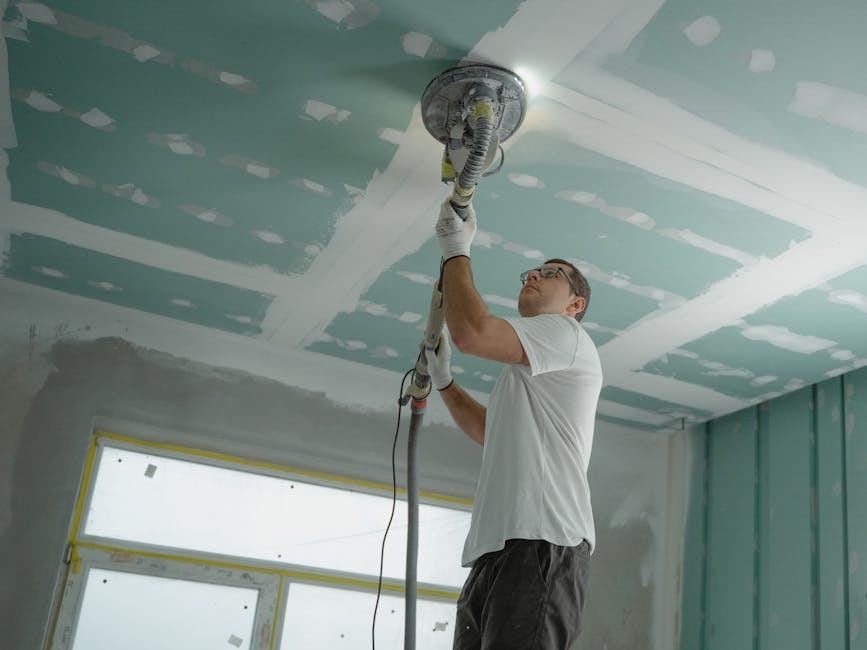
Before diving into any home improvement project, it’s crucial to understand your space. This includes assessing the layout, identifying areas that need attention, and considering how you use each room. For instance, a common mistake homeowners make is underutilizing certain areas. An attic or basement can be transformed into a functional living area or storage space with the right improvements.
Additionally, take note of the natural light in each room. A well-lit space can appear larger and more inviting. Consider solutions like installing larger windows or using lighter paint colors to brighten up darker areas. Remember, the goal is to create a space that not only looks good but also feels good to live in.
As you analyze your home, you might find inspiration from various sources, including fashion blog sites that highlight current trends and innovative ideas. This can help you visualize how to incorporate style into your improvements.
Planning Your Budget
Budgeting is a vital step in any home improvement project. Determine how much you are willing to spend and allocate funds to different areas based on priority. For example, kitchen and bathroom remodels tend to yield high returns on investment, making them a smart choice for homeowners looking to increase their home’s value.
It’s also important to factor in unexpected costs that may arise during renovations. A common guideline is to set aside an additional 10-20% of your budget for surprises. This financial cushion will help you avoid stress during the project and keep you on track.
Moreover, consider doing some of the work yourself to save money. Simple tasks like painting or landscaping can be great DIY projects that enhance your home without breaking the bank. However, for more complex projects, hiring professionals may be worth the investment.
Choosing the Right Materials
The materials you choose can greatly affect the durability and aesthetics of your home improvements. Opt for high-quality materials that will withstand the test of time, especially in high-traffic areas like kitchens and bathrooms.
For instance, when selecting flooring, consider options like hardwood or tile for their longevity and ease of maintenance. If you’re looking for a budget-friendly alternative, laminate flooring can also provide a stylish appearance without the hefty price tag.
Additionally, when it comes to paint, selecting eco-friendly options can improve indoor air quality. Many brands now offer low-VOC or no-VOC paints that are safer for your family and the environment.
Incorporating Technology
In today’s digital age, technology plays a significant role in home improvement. Smart home devices can enhance your living experience, offering convenience and efficiency. For example, smart thermostats can help you save on energy bills by learning your schedule and adjusting temperatures accordingly.
Moreover, consider integrating smart lighting systems that can be controlled via your smartphone. This not only adds functionality but also allows for mood adjustments throughout the day. Voice-activated assistants can also streamline everyday tasks, making your home more user-friendly.
As you explore technology options, keep in mind the importance of compatibility with your existing systems. Investing in technology that seamlessly integrates with your home can save you from future headaches.
Final Touches and Maintenance
After completing your home improvements, the final touches can make a significant difference. Decorative elements such as artwork, plants, and textiles can provide warmth and personality to your space. Consider incorporating personal items that reflect your style and interests.
Regular maintenance is equally important to ensure your improvements last. Create a schedule for tasks such as cleaning gutters, checking HVAC systems, and inspecting for leaks or wear and tear. A proactive approach to home maintenance can prevent costly repairs down the line.
In conclusion, home improvement is an ongoing journey that can enhance your quality of life and increase your property’s value. By understanding your space, planning effectively, choosing the right materials, incorporating technology, and maintaining your home, you can create a beautiful and functional living environment that meets your needs for years to come.