










In recent years, the fashion industry has seen a significant shift towards private label clothing. This trend is not just a passing craze; it’s a fundamental change in how brands operate and consumers shop. Private label clothing refers to apparel that is manufactured by one company for sale under another company’s brand. This allows retailers to offer unique products while maintaining control over pricing and branding. In this article, we will delve deep into the concept of private label clothing, its benefits, and how businesses can leverage this model to enhance their offerings.
What is Private Label Clothing?
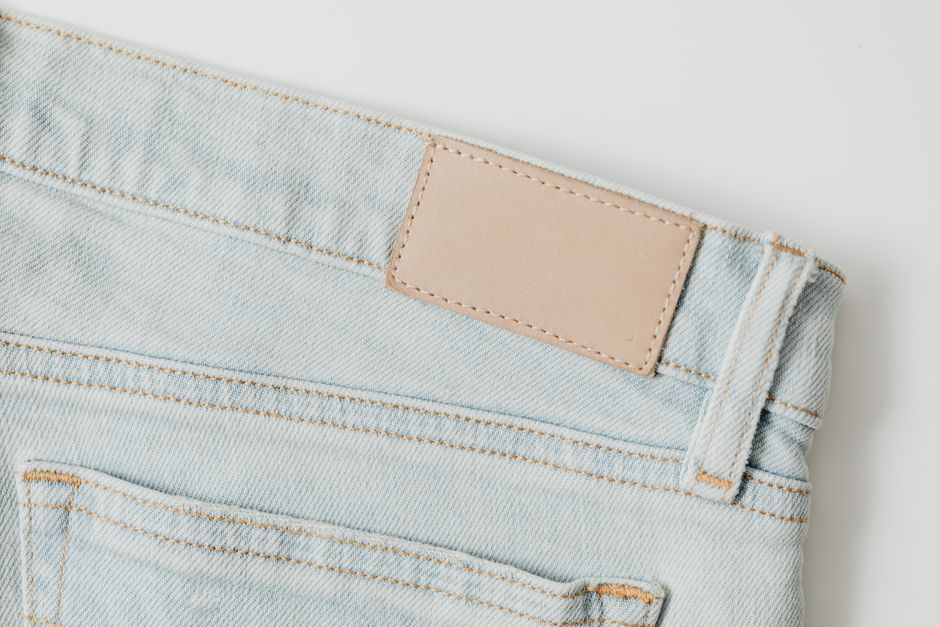
Private label clothing is essentially apparel that is produced by a third-party manufacturer but is sold under a retailer’s brand name. This model has gained traction due to its flexibility and potential for higher profit margins. Retailers can curate their collections, ensuring that their clothing lines resonate with their target audience. For instance, a retailer might collaborate with a manufacturer to create a line of eco-friendly clothing, tapping into the growing demand for sustainable fashion. This not only caters to consumer preferences but also sets the retailer apart in a crowded marketplace.
The Advantages of Private Label Clothing
One of the primary advantages of private label clothing is the ability to control the product’s quality and design. Retailers can work closely with manufacturers to ensure that the garments meet their specifications. This level of oversight can lead to higher customer satisfaction, as brands can offer unique styles that reflect their identity. Additionally, private label products often yield better profit margins compared to name-brand items. Retailers can price their goods competitively while still enjoying significant markup, allowing for reinvestment into marketing or product development.
Moreover, private label clothing allows retailers to respond quickly to market trends. Instead of being tied to the production schedules of established brands, retailers can bring new products to market faster. This agility can be crucial in the fast-paced fashion industry, where consumer preferences can change overnight. For example, if a particular style becomes trendy on social media, a retailer can quickly produce a similar version under their label.
Challenges in Private Label Clothing
While the benefits are significant, there are also challenges associated with private label clothing. One major challenge is the responsibility of marketing and brand positioning. Retailers must invest in building their brand identity to ensure their products are recognized and valued by consumers. This requires a strategic marketing approach, including social media campaigns, influencer partnerships, and effective use of online platforms.
Another challenge is maintaining quality control throughout the manufacturing process. Retailers must establish strong relationships with their manufacturers and implement rigorous quality checks to avoid issues that can damage their reputation. For instance, if a batch of clothing has defects, it could lead to returns and loss of customer trust. Therefore, retailers need to be diligent in managing their supply chains.
How to Start a Private Label Clothing Line
For those interested in venturing into private label clothing, the first step is to identify a niche market. Understanding the target audience and their preferences is crucial for success. Once a niche is established, the next step is to source a reliable manufacturer. This involves researching potential partners and evaluating their production capabilities, pricing, and previous work.
After selecting a manufacturer, retailers should focus on designing their clothing line. This includes selecting fabrics, colors, and styles that align with their brand identity. Collaborating with a skilled designer can enhance this process, ensuring that the final products are appealing and market-ready. Additionally, retailers should consider developing a unique packaging and branding strategy to further differentiate their products in the marketplace.
Conclusion
Private label clothing presents a unique opportunity for retailers to establish their brand while offering exclusive products to consumers. By understanding the intricacies of this model, businesses can effectively navigate the challenges and reap the rewards. From controlling quality to responding swiftly to market trends, the potential for growth in this sector is substantial. As the fashion industry continues to evolve, embracing private label clothing could very well be the key to staying relevant and competitive.
For those looking to explore the advantages of private label clothing, resources are available to guide you through the process. Engaging with platforms that specialize in private label solutions can provide valuable insights and support, ensuring your venture into this exciting realm is successful. Consider checking out private label clothing options to get started on your journey.