










The fashion industry is ever-evolving, presenting numerous opportunities for entrepreneurs and established brands alike. One such opportunity that has garnered significant attention is private label clothing. This business model allows brands to create their own unique clothing lines without the need for extensive manufacturing capabilities. In this article, we will delve into the essentials of private label clothing, its benefits, and how to successfully launch a private label clothing line.
Understanding Private Label Clothing
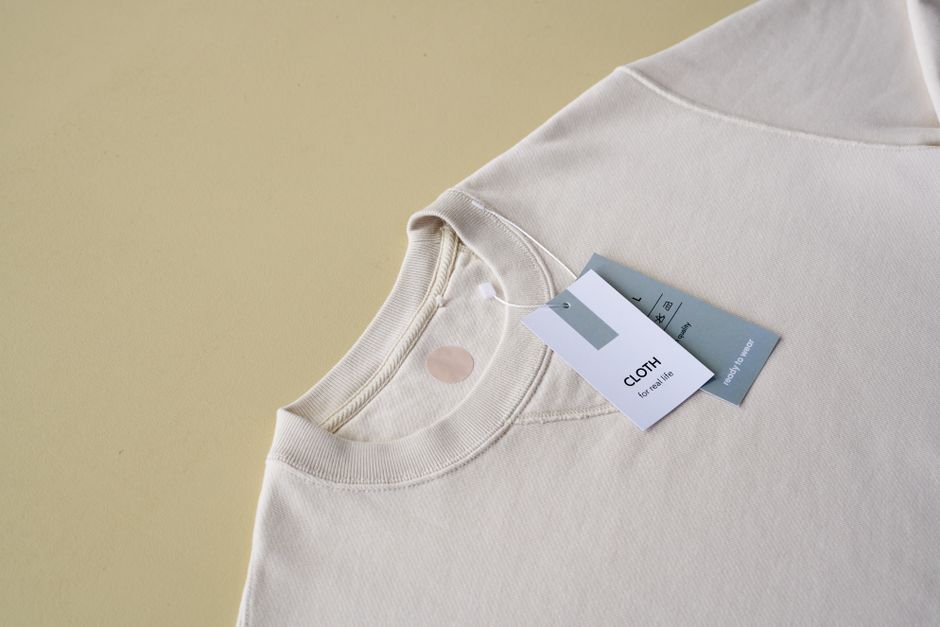
Private label clothing refers to garments that are manufactured by one company for sale under another company’s brand. This model allows businesses to offer exclusive products without managing the complexities of production. Private label clothing can range from basic apparel to high-end fashion pieces, catering to various market segments.
The concept has gained traction among retailers and entrepreneurs as it allows for brand differentiation and the ability to control pricing strategies. By partnering with manufacturers who specialize in private label services, brands can focus on marketing and building their customer base while ensuring product quality and consistency.
The Benefits of Private Label Clothing
One of the main advantages of private label clothing is the potential for higher profit margins. Since brands can set their own prices for their products, they have the flexibility to create competitive pricing strategies that can outperform mass-produced alternatives. This advantage is particularly significant in the highly competitive fashion industry.
Moreover, private label clothing enables brands to build a strong identity. By offering unique designs and styles that cannot be found elsewhere, businesses can cultivate a loyal customer base that resonates with their brand values. This is particularly crucial in an era where consumers are increasingly looking for authenticity and uniqueness in their purchases.
Steps to Launching Your Private Label Clothing Line
Starting a private label clothing line involves several critical steps. First, it’s essential to conduct thorough market research to identify trends, customer preferences, and potential competitors. This will provide insights into what types of clothing products are in demand.
Next, finding the right manufacturer is crucial. Brands must look for manufacturers that specialize in private label clothing and have a proven track record of quality and reliability. Establishing a strong partnership with a manufacturer can significantly influence the success of the clothing line.
Once a manufacturer is chosen, the next step is to develop a unique product line. This includes selecting fabrics, designs, and sizes that align with the brand’s identity. It’s important to test samples to ensure quality meets expectations before launching the final products to the market.
Marketing Your Private Label Clothing
Effective marketing strategies are vital for the success of a private label clothing line. Brands should leverage social media platforms to showcase their products and engage with their audience. Creating visually appealing content that highlights the unique aspects of the clothing line can drive interest and sales.
Additionally, collaborating with influencers and fashion bloggers can help reach a wider audience. Influencer marketing has proven to be an effective tool in promoting private label clothing, as it allows brands to tap into established follower bases.
Challenges in Private Label Clothing
While the potential for profit and brand building is significant, there are challenges associated with private label clothing. One such challenge is maintaining quality control. Brands must ensure that the manufacturers adhere to their quality standards, as any lapses can harm the brand’s reputation.
Another challenge is navigating the complexities of inventory management and distribution. Brands must have a clear strategy for managing stock levels and ensuring timely delivery to customers. This requires effective logistics planning and possibly investing in inventory management software.
Lastly, as the market for private label clothing becomes increasingly saturated, differentiating a brand from competitors is essential. Businesses must continuously innovate and adapt to changing consumer preferences to stay relevant.
Conclusion
Private label clothing presents a promising avenue for brands looking to carve out a niche in the fashion industry. By understanding the fundamentals, benefits, and challenges of private label clothing, entrepreneurs can position themselves for success. With careful planning, effective marketing, and a focus on quality, launching a private label clothing line can lead to a rewarding and profitable venture. For those interested in exploring this opportunity further, resources such as private label clothing platforms can provide valuable insights and connections to manufacturers.