










In the realm of construction and building design, the role of MEP (Mechanical, Electrical, and Plumbing) engineering companies cannot be overstated. These firms are essential to ensuring that buildings are not only functional but also efficient and sustainable. With the increasing complexity of modern architecture, MEP engineering has become a critical component of any successful construction project.
Understanding MEP Engineering
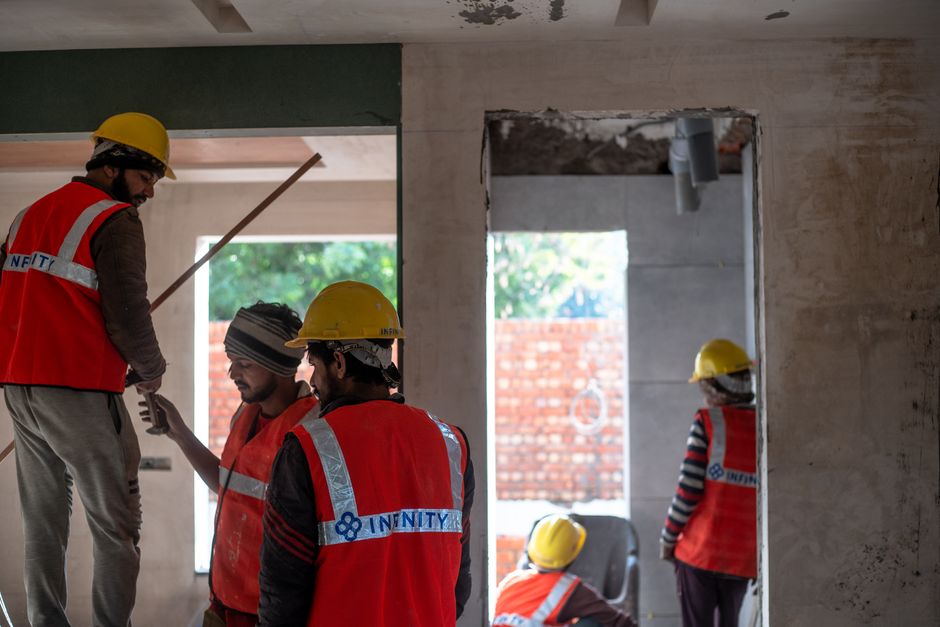
MEP engineering encompasses the design and implementation of mechanical, electrical, and plumbing systems in buildings. Mechanical systems include heating, ventilation, and air conditioning (HVAC), while electrical systems cover lighting, power distribution, and emergency systems. Plumbing systems involve water supply, drainage, and sewage systems. Each of these components is vital for the overall functionality of a building.
Effective MEP engineering ensures that buildings are comfortable, safe, and energy-efficient. For instance, proper HVAC design can significantly reduce energy consumption, thereby lowering operational costs and minimizing environmental impact. Statistics show that buildings account for approximately 40% of global energy consumption, making the role of MEP engineers crucial in promoting sustainability in the construction industry.
The Role of MEP Engineering Companies
MEP engineering companies play a pivotal role in the construction process from the initial design phase through to project completion. They collaborate with architects, contractors, and clients to develop integrated systems that meet the specific needs of each project. This collaboration is essential to avoid conflicts and ensure that all systems work harmoniously.
During the design phase, MEP engineers conduct thorough analyses to determine the best systems for a given project. They consider factors such as building orientation, climate, and occupancy patterns to optimize energy use and comfort. Once the design is finalized, these companies oversee the installation of MEP systems, ensuring compliance with local codes and standards.
Moreover, MEP engineers are responsible for conducting regular maintenance and inspections of the systems they design. This ongoing support is critical for prolonging the lifespan of building systems and ensuring they operate at peak efficiency. For example, regular HVAC maintenance can extend the life of the system by up to 30%.
Challenges Faced by MEP Engineering Companies
Despite their importance, MEP engineering companies face numerous challenges in the current construction landscape. One significant challenge is the rapid advancement of technology, which requires continuous learning and adaptation. For instance, the rise of smart building technologies and automation systems demands that MEP engineers stay updated with the latest innovations.
Additionally, increasing regulations and standards related to energy efficiency and sustainability place added pressure on MEP companies. They must navigate these complexities while delivering projects on time and within budget. Collaboration with other stakeholders in the construction process is essential to overcome these challenges and deliver successful outcomes.
The Future of MEP Engineering
The future of MEP engineering is likely to be shaped by advancements in building technologies and a greater emphasis on sustainability. As the world moves towards greener building practices, MEP engineers will play a crucial role in developing systems that reduce energy consumption and carbon footprints.
Moreover, the integration of Building Information Modeling (BIM) technology is transforming the way MEP companies operate. BIM allows for more accurate modeling and simulation of MEP systems, leading to better coordination and fewer conflicts during construction. This shift is likely to enhance efficiency and effectiveness in project delivery.
Furthermore, as cities continue to grow and urbanize, the demand for skilled MEP engineering companies will increase. Their expertise will be essential in developing sustainable infrastructure that meets the needs of modern society.
Conclusion
In conclusion, MEP engineering companies are integral to the success of modern construction projects. Their expertise in designing and implementing mechanical, electrical, and plumbing systems ensures that buildings are functional, efficient, and sustainable. As the construction industry evolves, these companies will continue to face challenges but also have the opportunity to lead the way in innovative and responsible building practices. For those seeking a reliable MEP engineering company, understanding the importance of these firms is the first step towards achieving a successful construction project.