









The interior design of a restaurant plays a critical role in shaping customer experiences and defining brand identity. A well-thought-out design not only enhances the aesthetic appeal but also influences how patrons perceive the food, service, and overall atmosphere. In this article, we will explore various aspects of restaurant interior design, from the importance of ambiance to the latest trends that are reshaping dining spaces.
The Importance of Ambiance in Dining
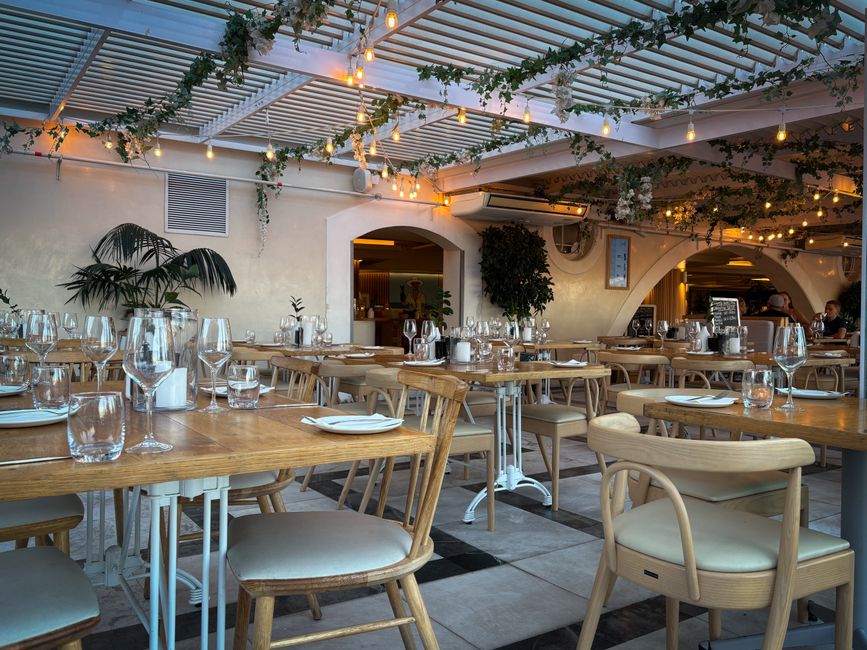
Ambiance is a crucial element in the restaurant experience. It encompasses the lighting, color schemes, furniture arrangement, and even the music that plays in the background. Studies have shown that a well-designed ambiance can significantly affect customer satisfaction and retention. For instance, a restaurant with dim lighting and soft music may promote relaxation and encourage diners to linger longer, potentially increasing their overall expenditure.
Moreover, the ambiance helps set the tone for the dining experience. Upscale restaurants often utilize elegant decor and sophisticated lighting to create an air of exclusivity, while casual eateries might opt for vibrant colors and playful designs to foster a friendly atmosphere. Understanding your target audience and what they value can guide your design choices effectively.
In this regard, investing in quality restaurant interior design can pay off handsomely, as it directly correlates with customer enjoyment and loyalty.
Key Elements of Restaurant Interior Design
Several key elements contribute to effective restaurant interior design. First, layout is vital. The arrangement of tables, seating, and pathways must facilitate easy movement for both guests and staff. A well-planned layout can also enhance social interactions among diners, making the experience more enjoyable.
Next, color schemes play an essential role in influencing mood and appetite. Warm colors like reds and oranges can stimulate appetite, while cooler shades like blues and greens are often calming. Therefore, selecting the right color palette is not merely a matter of aesthetics but a strategic decision that can impact dining behavior.
Furniture selection is another critical aspect. Comfort is paramount; patrons should feel at ease while dining. Additionally, the style of furniture should align with the restaurant’s theme. For example, a rustic-themed eatery might use reclaimed wood tables and chairs, while a modern restaurant could opt for sleek, minimalist designs.
Latest Trends in Restaurant Interior Design
The world of restaurant interior design is ever-evolving, with new trends emerging each year. One of the most significant trends currently is the incorporation of sustainable materials. Restaurateurs are increasingly aware of their environmental impact, leading to the use of reclaimed wood, recycled materials, and energy-efficient lighting.
Another trend is the open kitchen concept, where diners can see their food being prepared. This transparency not only enhances the dining experience but also fosters trust between customers and chefs. Additionally, biophilic design, which integrates natural elements into the restaurant space, is gaining popularity. Plants, natural light, and organic materials create a welcoming atmosphere that resonates well with diners.
Furthermore, technology is playing a more prominent role in restaurant design. Many establishments are incorporating interactive elements, such as digital menus and augmented reality experiences, which can enhance customer engagement and streamline operations.
Case Studies of Successful Restaurant Designs
To illustrate the impact of thoughtful restaurant interior design, let’s consider a couple of successful case studies. One notable example is the renowned Noma in Copenhagen, famous for its innovative approach to Nordic cuisine. The restaurant’s interior features a minimalist design with natural materials, which complements its focus on local and seasonal ingredients. This design philosophy has contributed significantly to its reputation and success.
Another example is the Hard Rock Cafe, which incorporates music memorabilia into its decor, creating a unique and immersive experience for diners. The vibrant atmosphere and thematic elements resonate with guests, enhancing their overall enjoyment and encouraging repeat visits.
These case studies exemplify how a strategic approach to restaurant interior design can elevate a dining experience and foster a loyal customer base.
Conclusion
In conclusion, restaurant interior design is a multifaceted discipline that requires careful consideration of various elements to create a memorable dining experience. From establishing the right ambiance to staying ahead of design trends, every decision plays a crucial role in shaping customer perceptions and satisfaction. As the dining landscape continues to evolve, restaurateurs must prioritize thoughtful design to stand out in a competitive market. By investing in quality restaurant interior design, businesses can not only enhance their aesthetic appeal but also cultivate a loyal customer base and drive long-term success.