










In today’s competitive market, the visual impact of a business is more important than ever. A well-designed commercial space not only enhances the aesthetic appeal but also influences customer behavior and employee productivity. This is where the expertise of a commercial interior designer comes into play. These professionals specialize in creating functional, attractive spaces tailored to the needs of businesses, ensuring that every inch of a space is utilized effectively.
Understanding the Role of Commercial Interior Designers
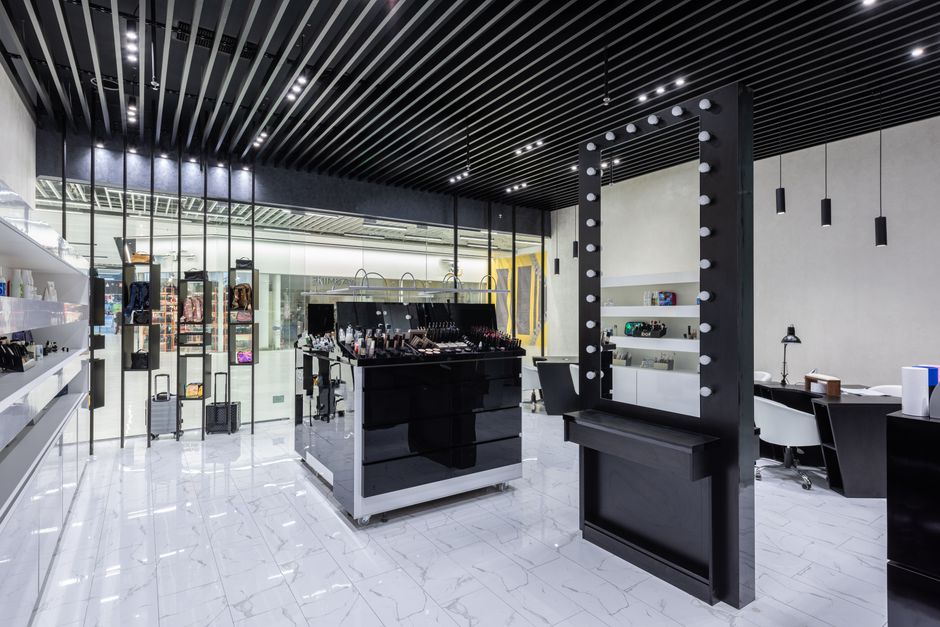
Commercial interior designers are skilled artisans who blend functionality with aesthetics to create spaces that align with a brand’s identity. They work across various sectors, including retail, hospitality, and corporate offices, where each project presents its unique challenges and requirements. By understanding the specific needs of a business, these designers can craft environments that enhance customer experience and promote brand values.
For instance, in a retail setting, a commercial interior designer might focus on creating an inviting atmosphere that encourages customers to explore and purchase products. This could involve the strategic placement of displays, lighting design, and the selection of color schemes that resonate with the target audience.
Trends in Commercial Interior Design
The landscape of commercial interior design is constantly evolving, driven by changing consumer preferences and technological advancements. One significant trend is the growing emphasis on sustainability. Many businesses are now seeking eco-friendly materials and energy-efficient designs that not only lower operational costs but also appeal to environmentally conscious consumers.
Another trend is the integration of technology into design. Smart buildings equipped with IoT devices are becoming commonplace, allowing for a seamless blend of functionality and innovation. Commercial interior designers are at the forefront of this trend, creating spaces that are not only beautiful but also technologically advanced.
The Importance of Space Planning
Effective space planning is a cornerstone of commercial interior design. It involves analyzing how a space will be used and ensuring that it is designed to maximize efficiency and comfort. A well-planned office layout, for instance, can lead to improved collaboration among employees and a more productive work environment.
Commercial interior designers utilize their understanding of human behavior and spatial dynamics to create layouts that foster communication and teamwork. This might include open office spaces, collaborative zones, and private areas for focused work, all designed to cater to different working styles.
Case Studies: Successful Commercial Interior Design Projects
To illustrate the impact of effective commercial interior design, let’s look at a few successful projects. One notable example is a tech company that enlisted the help of a commercial interior designer to revamp its office space. The result was a modern, open-plan layout featuring collaborative workstations, relaxation areas, and inspiring meeting rooms. This transformation not only improved employee morale but also attracted top talent in the industry.
In another case, a boutique hotel worked with a commercial interior designer to create a unique guest experience. The designer incorporated local culture and history into the design, using materials and colors that reflected the region. This attention to detail resulted in a memorable experience for guests, leading to higher rates of return visits and positive reviews.
Conclusion: The Future of Commercial Interior Design
As businesses continue to adapt to a rapidly changing environment, the role of commercial interior designers will become increasingly important. Their ability to create spaces that are not only functional but also reflective of a brand’s identity is essential for success in today’s market. By embracing new trends and technologies, these professionals will continue to shape the future of commercial spaces, ensuring that they meet the evolving needs of businesses and their customers.