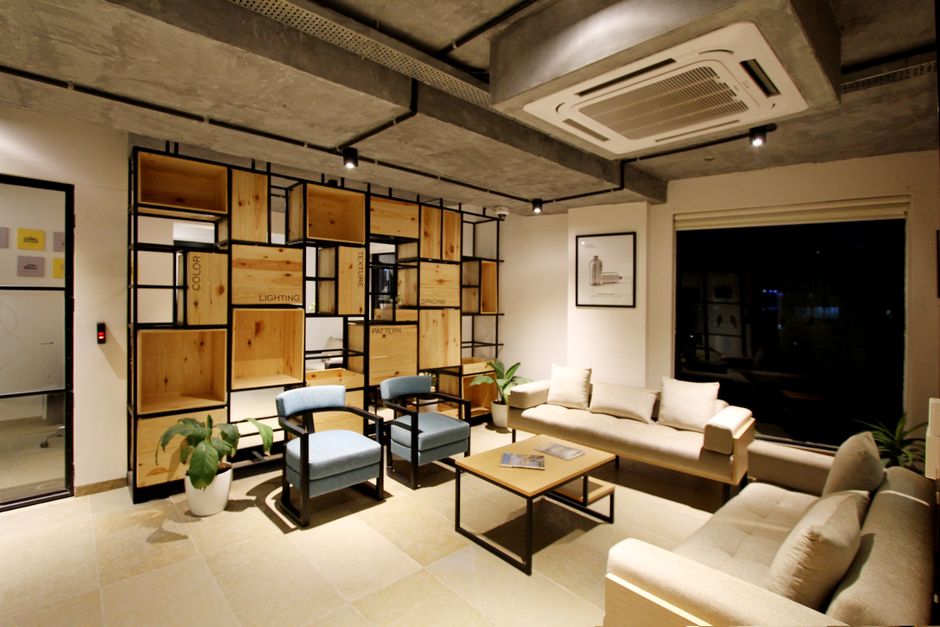










In today’s fast-paced business environment, the aesthetics and functionality of commercial spaces play a crucial role in shaping the identity of a brand. A commercial interior designer is pivotal in ensuring that these spaces not only reflect the brand’s ethos but also enhance the overall user experience. This article delves into the essential functions, benefits, and trends associated with commercial interior design.
The Importance of Commercial Interior Design
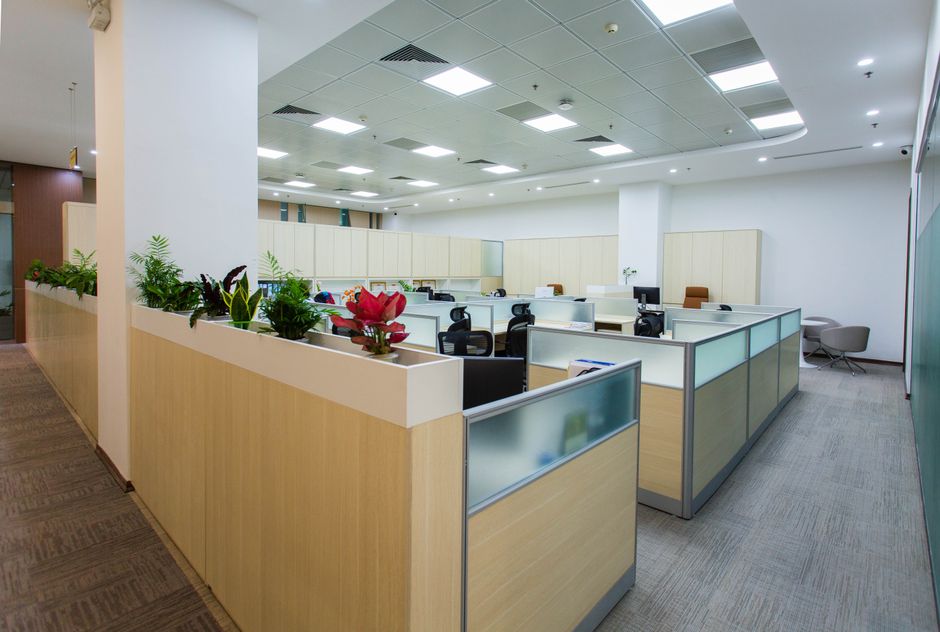
Commercial interior design is much more than just making a space look good; it involves creating environments that are efficient, safe, and conducive to productivity. According to a study by the American Society of Interior Designers, well-designed spaces can increase productivity by as much as 20%. This statistic highlights the importance of hiring a professional, especially when considering that first impressions can make or break a business.
Moreover, commercial spaces often need to comply with various regulations and standards. This is where a skilled commercial interior designer shines, as they are familiar with building codes, safety regulations, and accessibility standards. Their expertise ensures that businesses not only foster a pleasant atmosphere but also operate within legal parameters.
Additionally, a well-executed design can save money in the long run. For example, incorporating energy-efficient lighting and sustainable materials can significantly reduce operational costs. Therefore, investing in a commercial interior designer can lead to substantial savings and a better return on investment.
Key Responsibilities of Commercial Interior Designers
The role of a commercial interior designer encompasses a wide range of responsibilities. One of their primary duties is to assess the client’s needs and develop a design concept that aligns with the brand’s vision and operational requirements. This often involves conducting thorough research, including understanding the target audience and market trends.
Once the concept is established, designers create detailed plans and drawings, which serve as a blueprint for the construction and renovation process. They also collaborate with architects, contractors, and other professionals to ensure that every aspect of the project is executed seamlessly.
Furthermore, commercial interior designers are responsible for selecting materials, furnishings, and finishes that not only meet aesthetic standards but are also functional and durable. Their expertise ensures that the chosen elements can withstand the rigors of commercial use while still contributing to the overall design.
Trends in Commercial Interior Design
The field of commercial interior design is constantly evolving, with new trends emerging each year. Currently, biophilic design—incorporating natural elements into interior spaces—is gaining immense popularity. This trend not only enhances aesthetic appeal but also contributes to employee wellness and productivity by creating a more inviting and calming environment.
Another significant trend is the rise of flexible workspaces. As companies adapt to hybrid work models, the need for versatile office layouts that can accommodate various working styles is paramount. Commercial interior designers are tasked with creating adaptable spaces that can easily transition from collaborative work areas to private offices.
Technology is also playing a crucial role in modern commercial design. From smart lighting systems to integrated audiovisual equipment, designers are increasingly incorporating tech solutions that enhance functionality and improve the user experience.
Choosing the Right Commercial Interior Designer
Finding the right commercial interior designer for your project can be challenging, but several key factors can guide your decision. Firstly, consider their portfolio. A designer’s previous work can provide insight into their style, creativity, and experience with projects similar to yours.
Secondly, communication is vital. A good designer should be able to listen to your needs and translate them into a cohesive design concept. They should also be open to feedback and willing to collaborate throughout the design process.
Lastly, assess their understanding of your industry. A designer with experience in your specific sector will better grasp the unique challenges and requirements of your space, leading to more effective solutions.
Conclusion
In conclusion, the role of a commercial interior designer is integral to creating spaces that are not only visually appealing but also functional and efficient. By understanding the importance of design, the responsibilities of designers, current trends, and how to choose the right professional for your needs, businesses can significantly enhance their commercial environments. Investing in quality design not only improves aesthetics but also has a profound impact on employee satisfaction and overall business success.